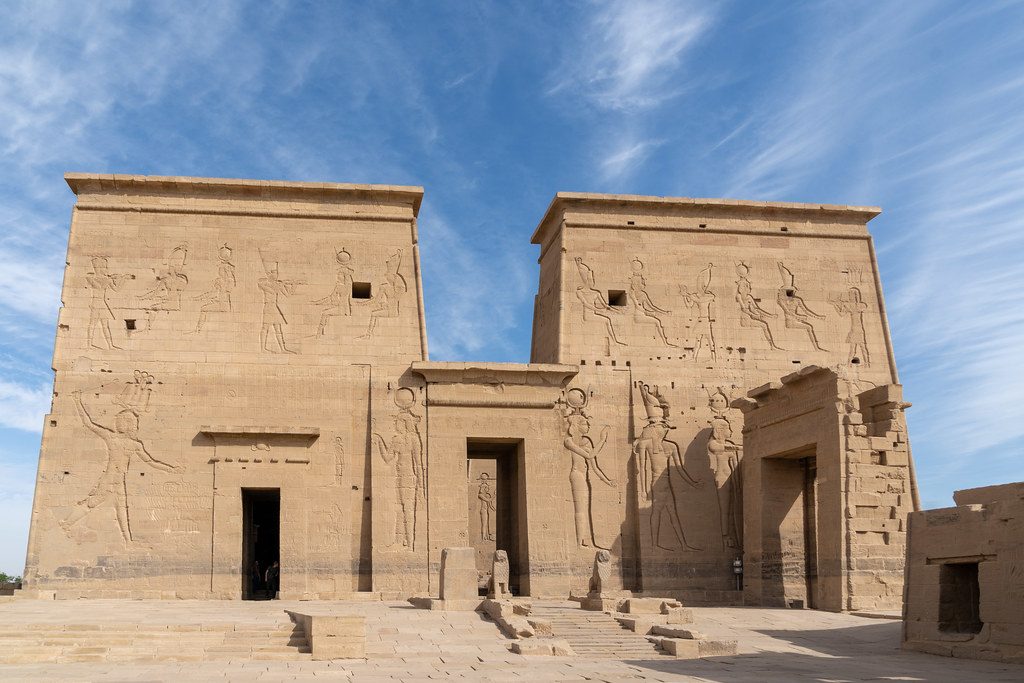
First Pylon
This monumental entrance serves as the primary backdrop for the initial narration and light projections.
Observe the intricate carvings as lighting effects emphasize the historical reliefs.

The sound and light performance at Philae unfolds after the temple closes to daytime visitors, transforming the Ptolemaic sanctuary into a narrated illumination that traces the story of Isis and the rescue of the monuments from Lake Nasser. Shows run most evenings in multiple languages, with separate departure times for each performance. Booking ahead secures your seat and simplifies the motorboat transfer to Agilkia Island.
Quick answer
The aswan philae temple sound and light show takes place in the evening after the temple's 15:00 daytime closure, with performances typically scheduled between 18:00 and 21:00 depending on the season and language. Each show lasts approximately 45 minutes and includes a narrated walk through the First Pylon and Hypostyle Hall, followed by a seated segment in the open-air courtyard where projections illuminate the colonnades and reliefs. Language rotates nightly—English, Arabic, French, German, Italian, and Spanish performances run on fixed weekday schedules, though the rotation adjusts during high season.
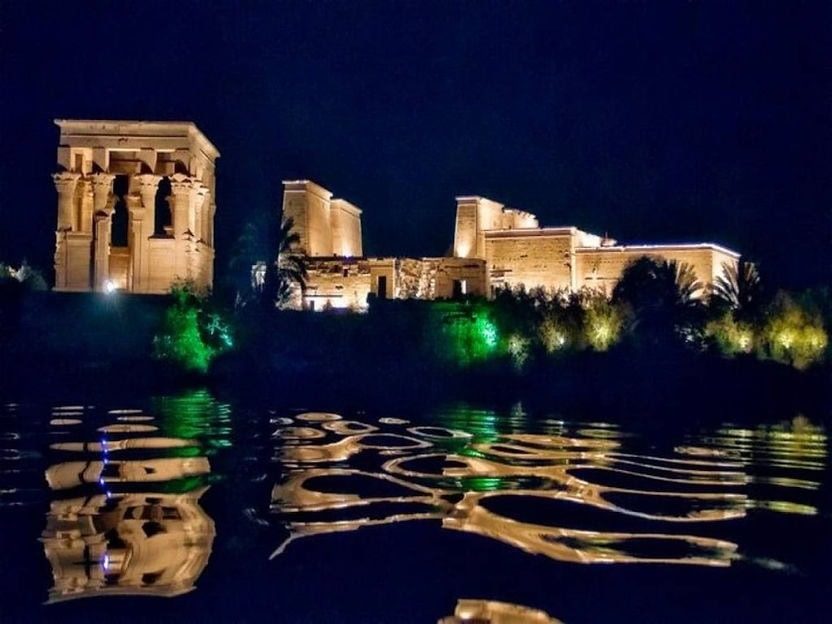
The Ptolemaic sanctuary on Agilkia Island remained submerged for half the year before UNESCO relocated it stone by stone in the 1970s, and the evening illumination retraces that rescue as much as it does the myth of Isis. The aswan philae temple sound and light show opens with a motorboat crossing from the Shellal dock—the same route daytime visitors take, but in near-darkness, with the floodlit kiosks and pylons appearing gradually across the water. That arrival sets the tone for the rest of the performance: the temple becomes legible not through guidebook sequence but through voice, shadow, and orchestrated color. The narration divides into two acts. The first is ambulatory. Visitors gather at the base of the First Pylon, where the voice of Isis—recorded, delivered through speakers mounted along the processional route—invites the group through the central gate and into the open court. Floodlights wash across the reliefs of Neos Dionysos and sweep upward to the Birth House, then dim as the group moves toward the Hypostyle Hall. The second act is seated. Folding chairs face the inner sanctuary and the rear colonnades, and the projections shift from static washes to timed sequences that highlight specific cartouches, the Osiris resurrection cycle, and the flooded original site beneath Lake Nasser. The script leans heavily on the 1960s salvage campaign, threading the ancient myth with the modern engineering effort. Language schedules determine which night you attend. English performances anchor most weekly rotations, typically assigned to Sunday, Wednesday, and Friday evenings, though the exact calendar shifts with occupancy and can be confirmed at the time of booking. Arabic and French shows split the remaining weeknights, with German, Italian, and Spanish performances cycling through on lower-frequency dates or during peak winter months when multiple shows run back-to-back. The motorboat operators coordinate departures to match each show's start time, leaving roughly 30 minutes before curtain. Late arrival forfeits your seat—the first act begins promptly, and the island has no holding area. The temple's daytime conservation fee does not grant evening access; the sound and light performance requires separate ticketing. Independent travelers book directly or arrange transport and tickets together through Aswan-based operators who bundle the Shellal transfer. Group size remains fluid—performances proceed with as few as a dozen guests or as many as two hundred, depending on the season and cruise-ship schedules in port that week.
“The sanctuary becomes legible not through guidebook sequence but through voice, shadow, and orchestrated color.”
The Philae Temple site maintains consistent access hours throughout the week. Please note that these daytime operating hours are separate from the evening Sound and Light Show schedule.
Philae Temple is located on Agilkia Island in Aswan. Access to the island is exclusively by boat from the dedicated ferry terminal.
Drive to the Philae Temple Marina (often referred to as Shellal)
Cross from the Marina to Agilkia Island
Walk from the marina boat landing to the temple entrance
Secure your boat transport at the marina terminal well before your scheduled show time. Ensure you arrive at the designated ferry point with sufficient lead time to manage the transition from land to the island.
This timeline suits visitors combining daytime temple exploration with the evening sound and light show. Plan for a full evening commitment, with temple access during regular hours and the show starting after sunset.
Take the motor boat from the Aswan marina to reach the island. Arrive early to avoid midday heat and secure a relaxed pace through the complex.
Walk through the First Pylon, Hypostyle Hall, Birth House, and Sanctuary of Isis. Allow three hours to photograph the relief carvings and absorb the site's layout before crowds build.
Complete any remaining zones, including Trajan's Kiosk and the western colonnade. Depart by 14:00 if you plan to return for the evening show, or stay if combining both visits in one trip.
Return to your Aswan accommodation to rest during peak heat. Eat an early dinner before heading back to the island for the evening performance.
Board the evening transfer boat and arrive at least 20 minutes before showtime. The performance runs approximately 45 minutes, projected onto the temple facades.
Wait for the return boat service, which departs shortly after the show concludes. Factor in 15–20 minutes for the group to clear the seating area and board.
The period between October and April offers the most temperate conditions for experiencing the evening show on Agilkia Island. Visiting during these cooler months minimizes heat exposure while navigating the outdoor site.
Mild days, cool evenings (15°C–25°C)
Ideal for comfortable outdoor viewing of the evening performance and temple exploration.
Very hot days, warm evenings (30°C–40°C)
High temperatures require careful hydration and preparation for visitors staying for the late show.
—
Mid-week visits often provide a quieter atmosphere for accessing the island and securing viewing spots.
Verdict: The best time for the sound and light show is mid-week during the cooler months of November or March.
The Philae Temple Sound and Light Show utilizes the architectural landscape of Agilkia Island to narrate the history of Isis. The performance guides visitors through specific sections of the temple complex, highlighting reliefs and structural design.
This monumental entrance serves as the primary backdrop for the initial narration and light projections.
Observe the intricate carvings as lighting effects emphasize the historical reliefs.
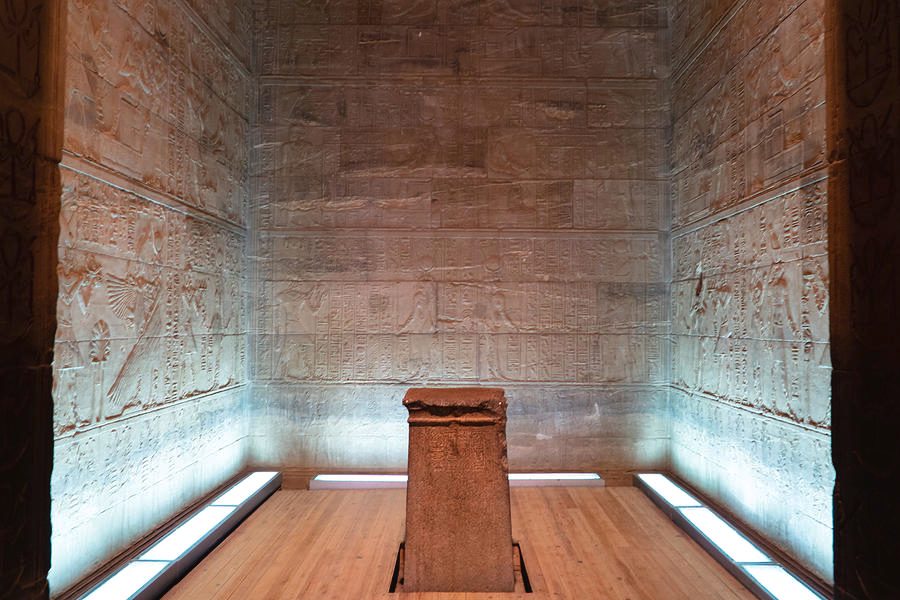
The inner sanctuary where the audio narrative focuses on the cult of Isis and temple dedication.
Position yourself centrally to capture the illumination of the inner columns.
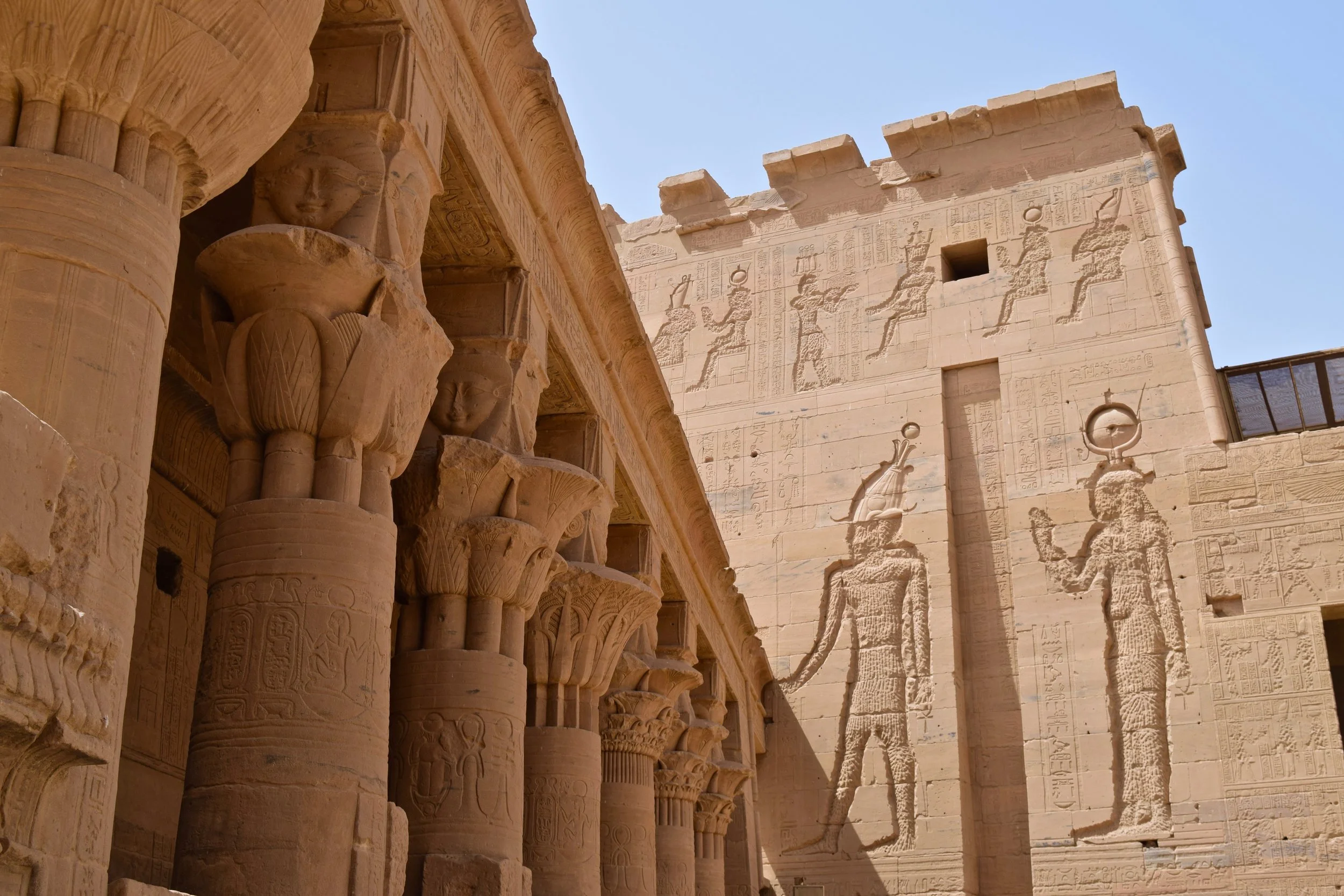
Located to the west of the main temple, this structure is dedicated to the divine birth of Horus.
Walk around the perimeter to view the distinct column capitals illuminated at night.
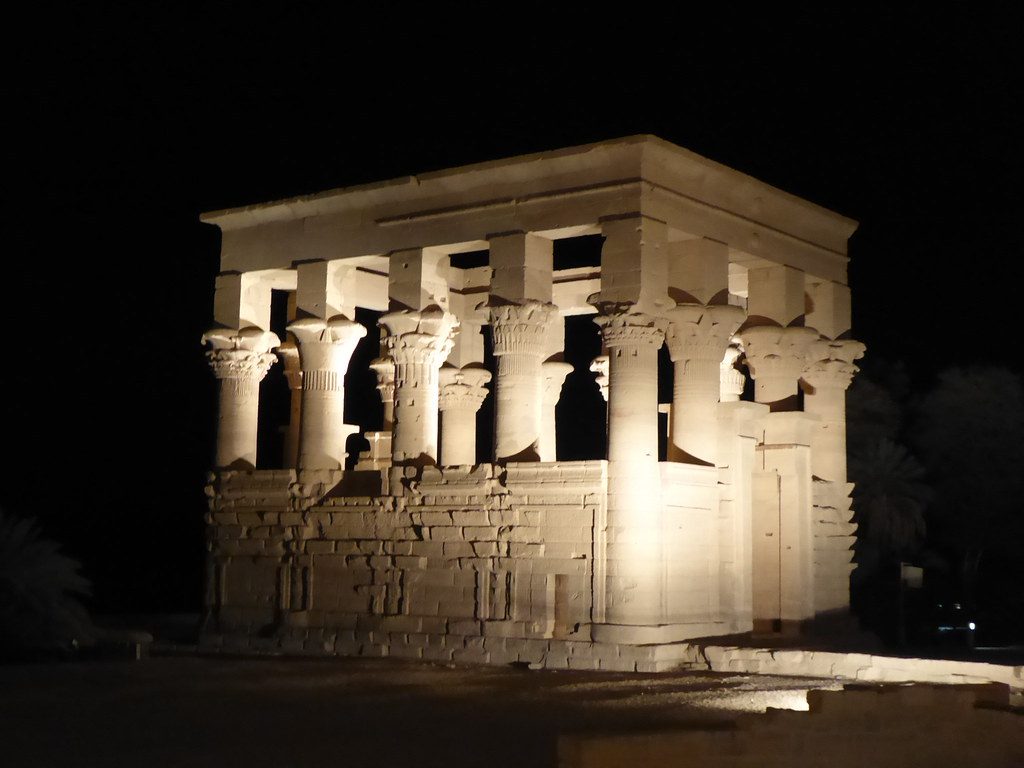
This open-air pavilion overlooks the water and provides a vantage point for the conclusion of the show.
Look toward the water to see the reflection of the kiosk lights.
Prepare these essentials before your evening visit to the sound and light show at Philae Temple.
Everything you need to know about aswan philae temple sound and light show
The aswan philae temple sound and light show is a multimedia presentation that utilizes storytelling and illumination to narrate the history of the goddess Isis at this UNESCO heritage site. The production brings the sandstone monuments to life through audio-visual technology against the backdrop of the Nile.
Tickets for the Philae Temple night event can be secured through official channels or authorized platforms. We recommend checking the official Ministry of Tourism and Antiquities portal for updated scheduling.
The entrance fee for foreign adults is 550 EGP as a conservation fee. Please ensure you have local currency available when arriving at the visitor center for site access.
While the site is open daily from 07:00 to 15:00 for daytime tourism, the evening performance operates on a separate schedule. Verify current show times during your visit to align with your travel plans.
Visitors must take a local boat from the Philae marina to reach Agilkia Island where the temple is located. Boat operators are readily available at the shore to ferry passengers across the water.
The presentation is generally family-friendly and provides an engaging way for children to learn about Ancient Egyptian mythology. Parents should monitor younger children during the boat transit and the walking tour through the ruins.
Yes, you may visit the temple grounds during standard operating hours before the evening event. It is advisable to allow enough time to walk through the colonnades and the main sanctuary while there is natural light.
The best arrival window is between 07:00 and 14:00. Arriving at least one hour before closing allows you to explore the temple architecture thoroughly before the evening show begins.